Fire and emergency wardens are the silent foundation of a secure work environment. When alarms ring or a pipeline tears or an associate breaks down in the stairwell, individuals seek to the high-visibility hats and calm voices. Conformity gets you to a standard, but actual readiness comes from training that pertains to your website, exercised under pressure, and freshened regularly. I have run dozens of emptyings and post-incident evaluations throughout workplaces, storage facilities, healthcare facilities, and skyscraper household buildings. The patterns correspond: the sites that educate well move promptly and purposely, the ones that treat training as a tick-the-box exercise stall at the stairwell doors.
This overview outlines what "great" resembles. It maps the typical lawful and expertise frameworks, explains the PUA devices (PUAFER005 and PUAFER006) that sit behind a lot of Australian fire warden training, deciphers the warden hat system, and shows how to develop a lean, compliant training strategy that actually functions when things go sideways.
The function, stripped back to essentials
Emergency wardens keep individuals secure during an uncommon event while safeguarding business connection. That is the work in one sentence. Whatever else sustains it. In technique, a warden has to identify the occurrence type, connect plainly, relocate individuals far from injury, coordinate with the Emergency Control Organisation (ECO), and hand over to initial -responders. A chief warden routes that effort, establishes the pace, and makes trade-offs when two priorities compete.
Across markets, the core circumstances reoccur: smoke alarm and smoke from devices, medical emergency situations on staircases or in plant rooms, power failures that trap people in lifts, chemical leaks from cleaners or laboratory supplies, flooding access at filling anchors, aggressiveness in customer-facing areas, and duds that tempt complacency. If your warden training focuses just ablaze, you are leaving danger on the table.
The dimension and design of the site matter. A single-level workplace with 120 team is a various proposition from a 14,000 square meter warehouse with racking to the ceiling and forklifts at rate. The ECO structure should fit your website, not the various other way around.
The structures that shape training
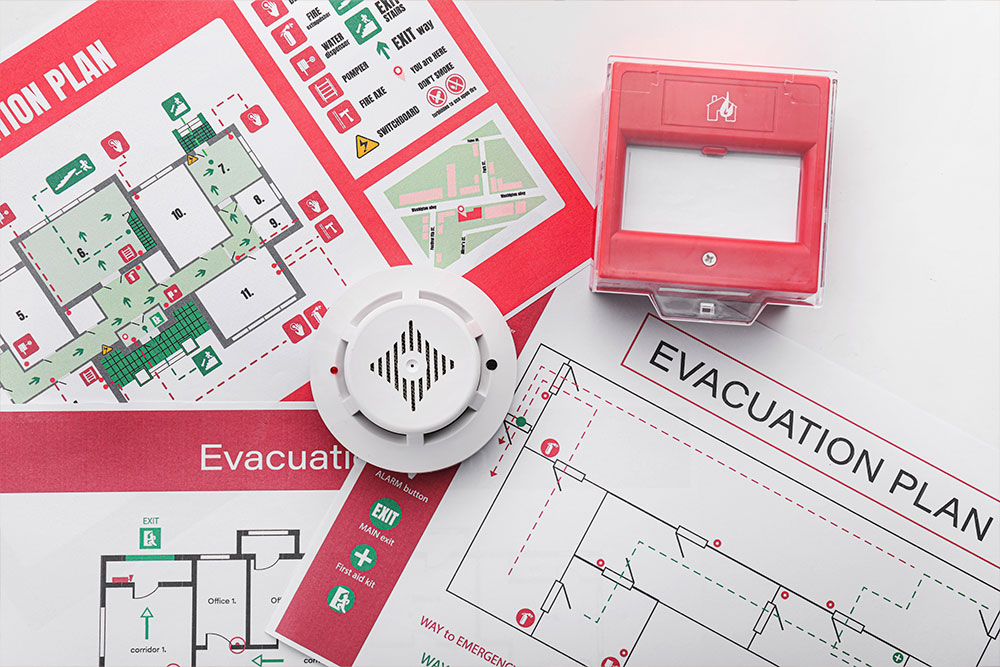
Most Australian work environments want to AS 3745 Planning for emergency situations in centers for structure and terms. It is not law itself, yet regulatory authorities often treat it as the benchmark. It asks for an Emergency Preparation Board (EPC), an Emergency Situation Strategy, and an Emergency Control Organisation populated by wardens and a chief warden. It anticipates training, workouts, and records.
Competency-based training for wardens then ties to 2 national systems:
- PUAFER005 Operate as part of an emergency situation control organisation PUAFER006 Lead an emergency control organisation
These systems rest within the general public Safety Educating Plan and are provided by Registered Training Organisations. Numerous companies label them merely as a fire warden course or chief fire warden course, but the web content spans more than fire. When you see puafer005 course or puafer006 course on a pamphlet, you are taking a look at the official support for warden training and chief warden training.
Other items complete the picture. Achievable emptying drills at least each year, local inductions for brand-new wardens, initial assault firefighting familiarisation if you carry extinguishers, and liaison with the neighborhood fire solution, particularly for complex sites. If you being in a structure with a monitored fire sign panel, know the call-out process and what happens when the brigade turns up.
What PUAFER005 and PUAFER006 really cover
PUAFER005 Run as component of an emergency control organisation concentrates on the wardens who perform the plan. The usual components include determining emergency types, using communication systems, sweeping areas, aiding individuals with disability, and implementing discharge or shelter-in-place choices. In every trustworthy puafer005 operate as part of an emergency control organisation program, you ought to practice radio discipline, use of neighborhood caution devices, and structured reporting to the chief warden. In my sessions, I still see people ice up on the very first radio telephone call. One 90-second puafer005 course practice round resolves that.
PUAFER006 Lead an emergency situation control organisation is the chief layer. It covers creating and keeping the ECO, leading a feedback, dynamically assessing risk, managing contrasting details, and communicating with exterior solutions. Great puafer006 lead an emergency control organisation training throws curveballs: an obstructed stairwell, a missing warden, a malfunctioning alarm system zone. A chief warden who has actually not rehearsed those minutes tends to wait on best info. Real cases seldom enable that luxury.
Both devices emphasize teamwork and interaction. That is calculated since individuals panic in silence. If you are budgeting, routine PUAFER005 for all wardens who put on red or yellow hats, and PUAFER006 for chief and replacement wardens, frequently in white hats. Some sites run a mixed emergency warden course over half a day for basic wardens and a fuller chief warden course for leaders. The tags vary by service provider, however the competencies map back to the units.
How numerous wardens do you need?
There is no magic proportion, yet there are constraints that help. Go for insurance coverage of each floor or area with redundancy for leave and unwell days. In a typical five-level office with two fire stairs and a main lift entrance hall, I like two wardens per flooring minimum, plus a marshal for each stairwell if populace mores than 60 per flooring. If you count on a single warden and they happen to be on the school run, your ECO collapses.
Distribution and making websites require wardens who comprehend the format, specifically locations with harmful products or restricted egress. Plant areas and roof covering spaces need a plan that does not anticipate wardens to move hot, loud spaces loaded with journey dangers. Consider your warden map as a mesh, not a line of defense. Overlap is good.
If you share a building with various other occupants, coordinate with the base building chief warden. Your warden matter and training cycle must harmonize with building-wide discharge drills. I have actually seen lessees hold an inner drill two weeks after a building-wide one. Personnel tune out, and you shed credibility.
Fire warden hats and identification
High visibility issues in mayhem. Most Australian websites still make use of color coding to match duties. Red or yellow hats for wardens, white for the chief warden, and commonly eco-friendly for first aid. The specific shade mix varies between homes and suppliers, but the convention that a chief warden hat is white is near universal. Ask the base building manager if you are unsure.
The question what colour helmet does a chief warden wear still pops up during inductions since not every person has actually been with a drill. Chief warden hat colour conventions exist for clearness: team requirement to discover the boss rapidly. You can also make use of high-vis vests if construction hats are not required. In building and construction and some commercial setups, integrate the warden identifiers with required PPE. A sticker label package or headgear band resolves it. Do not develop a system that conflicts with security rules just to meet a warden standard.
Timeframes and refresh cycles that actually stick
Legally, several organisations choose annual training and annual evacuation workouts to straighten with AS 3745 support and usual insurance provider assumptions. In method, the retention curve says for even more constant touchpoints. A simple rhythm works well:
- Annual official training for wardens: puafer005 for wardens and puafer006 for chiefs, or a robust internal refresher if you have already completed the units. One full-evacuation drill annually, preferably unannounced within a window, collaborated with the proprietor and fire panel company. One desktop computer drill per half-year for chiefs and deputies, 30 to 45 mins. Go through a circumstance, test choice factors, take a look at communications. Short, site-based positioning for new wardens within thirty day of appointment. Show them stairway doors, refuges, EWIS panels, spill kits, defibrillators, and break-glass alarms. Do not rely upon slides for this.
This tempo constructs muscle memory without destroying performance. The very best drills I have seen last under 18 mins door to door in mid-sized offices, with wardens back at their workdesks recording knowings while the memory is fresh.
What great fire warden training looks like
A solid fire warden course utilizes your building, not a common design. Expect the trainer to request for floor plans, occupant loads, and the Emergency Strategy beforehand. They should include well-known problems. Perhaps lift vestibule doors have a tendency to close slowly in your structure, or one stairway pressurisation follower often journeys. These information change just how you train.
Content needs to cover alarms, compartmentation, extinguisher selection and restrictions, discharge courses, assembly locations, and procedures for people with movement, sensory, or cognitive impairments. It should additionally include radio technique, easy circumstance play, and a presentation at the fire indication panel if available. When a service provider only lectures with slides for 3 hours, your wardens will certainly not remember what issues under stress. An excellent warden course is energetic, not passive.
For chief fire warden training, ask for more than titles and flowcharts. You desire sensible decision-making: when to evacuate on an alert tone, exactly how to designate havens, what to do when a warden reports smoke however no alarm, how to take care of a synchronised clinical emergency and a fire journey on a different flooring, and how to communicate with firies when they turn up in the driveway desiring a sitrep. The puafer006 content supports this, but its actual worth remains in the practice.
The hats show up, the radios bring you
Comms make or break an ECO. If you keep up portable radios, maintain them billed, labeled by area, and tested monthly. Usage short, structured expressions. Stay clear of talk or theory throughout an occurrence. I instruct a simple pattern: that you are, where you are, what you see, what you need. Example: "Degree 8 Warden, north staircase, light smoke in hallway, starting move eastern to west." That sentence gets the chief warden 3 choices ahead.
Phone trees are a bad alternative. Phone calls do not range under stress, they block situational awareness, and they climax if you require a timeline later. If you need to use phones, established a bridge with push-to-talk or an app with team voice channels. Even better, fund a handful of durable UHF radios and establish a billing regimen. The expense is low contrasted to the risk.
Extinguishers: when to use them, when to stroll away
A lot of fire warden training still presses first strike firefighting without subtlety. Extinguishers are devices, not badges of courage. Below is the guideline I make use of: if the fire is smaller than a rubbish bin, you have a clear egress behind you, and you have the right extinguisher, take one regulated effort. If it does not knock down instantly, you pull away and close doors. Never ever utilize extinguishers in smoke-charged hallways or on unknown chemical reactions. Powder is messy and can blind you in a plant space; CO2 deprives oxygen yet not does anything in the wind; water and power mix terribly. Educate the mnemonic for option, however more important, teach judgment.
For dangerous products sites, go beyond generalist content. Run a targeted session with your security consultant or a hazardous items instructor. It is unfair to anticipate wardens to make complicated chemical choices from a laminated chart they have never ever utilized under pressure.
Visitors, specialists, and after-hours realities
A floor full of regular personnel acts in a different way from a site with revolving visitors and specialists. Your fire warden requirements in the workplace must mirror that. Reception staff require a basic handover to the nearest warden throughout an action. Contractors need to be sworn in on the alarm tones and the setting up location before they get a tool. If you run shifts, your ECO insurance coverage need to exist at 3 am, not just at lunchtime.
After-hours is where lots of plans fall short. I when evaluated a site where the only chief emergency warden worked 7 to 3, and the web server space alarms frequently stumbled at 5:30 pm. The solution was simple: designate and educate deputies across changes, and provide protection the authority to function as interim chief warden until a trained person arrives.
Special factor to consider for individuals with disability
Real inclusion needs planning, not promises. Create Personal Emergency Situation Emptying Program for team who need aid. Train wardens on techniques that safeguard self-respect and safety and security. Emptying chairs are just useful if individuals technique on the stairs they will certainly use. If your building has fire isolated stairways with re-entry restrictions, identify re-entry degrees and keep them unlocked throughout an alarm as per structure management protocols. Listening to loopholes, aesthetic strobes, and responsive maps matter for some teams. Do not assume one-size fits all.
Evacuation setting up locations that operate in genuine life
Your assembly location must be much sufficient from polishing and dropping particles, yet close sufficient for headcounts and welfare. This is easy to write and remarkably tough to perform in crowded CBD areas. Stroll the boundary. Search for for overhanging dangers. Consider web traffic, color, and climate. If your setting up is across an active road, assign marshals for the crossings. If you share a public environment-friendly room with three various other towers, assign additional and tertiary areas and create the telephone call in the strategy: "If Park A is saturated, change to Carpark B along the east fence."

Headcounts should fast and unclean, not forensic. Wardens validate they swept their areas and record any person left at haven points or last-seen places. Principal wardens concentrate on threats, missing out on persons, and liaising with emergency services, not best roll calls.
Record-keeping without the documents swamp
You require evidence of capability and proof of technique. Maintain training documents for each warden by unit or training course, with dates and companies. Maintain drill documents with date, circumstance, times, concerns, and corrective actions. Store them where someone can locate them without you. Auditors worth clear, short, and consistent records. Longer is not much better. A single theme functions across years. If you alter companies, maintain control of your data.
Choosing an emergency warden course provider
All carriers are not equal. Fancy sales brochures matter less than site-specific prep and teacher credibility. Ask that will supply your session, not simply that has the company. Provide your layout and ask how they will certainly adapt web content. Verify that the puafer005 and puafer006 competencies will be satisfied if you need formal statements of attainment. If you only need a refresher, established assumptions: short, active, building-based, with a live walk.
Price differences normally mirror travel, time on site, and the proportion of participants to trainer. Beware of companies who load 30 wardens right into a three-hour slot. The throughput is appealing for budget plans, but the practice time goes down to near no. You want your individuals on their feet, talking on radios, and walking routes, not entraped in chairs.
Building a simple, certified program
Here is a lean version that keeps you inside typical expectations and prepared for evaluation or incident.
- Appoint an EPC with a chair who has the authority to designate spending plan and time. Meet two times a year for 60 mins. Evaluation incidents, drills, and training currency. Map your ECO to the structure. Wardens per flooring or zone, chief warden, deputy principal, and interactions policeman if required. Maintain a lineup with photos. Rejuvenate it quarterly. Run PUAFER005 for brand-new wardens and PUAFER006 for chiefs. Refresh each year with a 90-minute building-based session if official re-assessment is not required. Schedule one building-wide emptying drill annually, plus one desktop computer workout for senior ECO. Record both. Maintain equipment: radios, vests, hats, and get folders. A single person has the charging routine and checks monthly.
That suffices to pass audits in the majority of offices and, a lot more importantly, to develop ability. Add targeted modules for your risks: spill response for labs, hostility administration for retail front-of-house, or smoke control in complex HVAC environments.

Common risks and just how to avoid them
Complacency after a dud slips in quickly. On the early morning after a problem journey, lots of staff ignore the next alarm system. Wardens require the self-confidence to move people regardless. Communicate after every alarm, also if you did not evacuate. Clarify the choice briefly. People learn your patterns.
Elevators throughout a discharge are one more repeat threat. If your building has fireman lift solution and experienced personnel, you might utilize it under rigorous problems to assist individuals with movement problems. Most sites should not. Train wardens to keep lift lobbies clear and to close lift doors when useful to prevent use.
Door control matters greater than most people think. Fire doors save lives by holding back smoke and flame. Propping them open with containers or wedges defeats the layout. Include this in your regular security strolls and call it out during training. A warden who recognizes the building format can quit a little trouble from coming to be a large one by simply closing a door.
Radio chatter overload is foreseeable and avoidable. Teach self-control. If a warden reports a known threat, various other wardens must stay clear of re-reporting the very same observation unless they have new details. The chief warden must acknowledge and direct, not narrate.
Finally, overreliance on someone, usually an expert facilities manager, produces delicacy. Turn chief warden duties amongst trained deputies every quarter. It constructs deepness and exposes spaces before a situation reveals them.
The concerns you will be asked
Expect staff to ask about fire warden hat colour, setting up points, whether they can grab individual products, and for how long drills will take. Solution plainly. The chief warden responsibilities include clear, concise interaction and a readiness to duplicate yourself. Give a two-page staff guide throughout onboarding. When individuals recognize what to expect, they comply faster.
Tenants typically ask what colour helmet does a chief warden wear because they would like to know who to follow. If you utilize vests as opposed to safety helmets, keep the exact same shade coding reasoning. Red or yellow for wardens, white for chief. Make it regular across shifts and sites where possible, and tag gear with names and roles.
When the plan meets reality
Two fast photos from recent years. In warden training a CBD tower, a toaster set off a localized smoke detector on Degree 22. The alert tone appeared on that particular flooring just. The wardens waited, uncertain whether to wait for the emptying tone. Training had focused on the complete structure evacuation regimen, not the partial one. The hold-up maintained people in the smoke longer than required. Later, we ran a 30-minute refresher on the distinction between tones and how to make a floor-only discharge decision, and we practiced the radio script. That tiny fix changed actions the following time.
In a logistics website, a forklift battery fire started behind a billing bank after hours. Two wardens on the late change had finished PUAFER005, and the chief warden had actually done PUAFER006. They separated power, drew the alarm, swept the bays, kept individuals out of the smoke course, and relocated the head count to a secondary setting up because the wind moved. When the brigade got here, the principal had a succinct sitrep: origin, suppression attempts, risks, all individuals accounted for. The firemens commented that the handover saved them five minutes. Under smoke, five mins is a lot.
Final thoughts that obtain you moving
Emergency warden training is not attractive, but it is just one of the cleanest risk controls you can acquire. The standards provide you a framework. The puafer005 and puafer006 expertises offer you a quantifiable baseline. Your website, your threats, and your people give you the information. Maintain the program simple, exercise the tough minutes, and buy clear comms.
Whether you are standing a brand-new emergency warden course for a growing team or freshening a fully grown program that has actually drifted, start with 3 relocations: validate your ECO lineup and coverage, schedule a building-based warden training session that maps to PUAFER devices, and secure the day for your yearly drill. Conformity complies with when ability leads.
Take your leadership in workplace safety to the next level with the nationally recognised PUAFER006 Chief Warden Training. Designed for Chief and Deputy Fire Wardens, this face-to-face 3-hour course teaches critical skills: coordinating evacuations, leading a warden team, making decisions under pressure, and liaising with emergency services. Course cost is generally AUD $130 per person for public sessions. Held in multiple locations including Brisbane CBD (Queen Street), North Hobart, Adelaide, and more across Queensland such as Gold Coast, Sunshine Coast, Toowoomba, Cairns, Ipswich, Logan, Chermside, etc.
If you’ve been appointed as a Chief or Deputy Fire Warden at your workplace, the PUAFER006 – Chief Warden Training is designed to give you the confidence and skills to take charge when it matters most. This nationally accredited course goes beyond the basics of emergency response, teaching you how to coordinate evacuations, lead and direct your warden team, make quick decisions under pressure, and effectively communicate with emergency services. Delivered face-to-face in just 3 hours, the training is practical, engaging, and focused on real-world workplace scenarios. You’ll walk away knowing exactly what to do when an emergency unfolds—and you’ll receive your certificate the same day you complete the course. With training available across Australia—including Brisbane CBD (Queen Street), North Hobart, Adelaide, Gold Coast, Sunshine Coast, Toowoomba, Cairns, Ipswich, Logan, Chermside and more—it’s easy to find a location near you. At just $130 per person, this course is an affordable way to make sure your workplace is compliant with safety requirements while also giving you peace of mind that you can step up and lead when it counts.